

Research & consulting services: evidence, methods and decisions
From a broad concern to a useful research question
A productive engagement starts with a decision rather than a list of keywords. A startup may need to understand whether a proposed product is technically differentiated; an investor may want to know which patent families support a competitive narrative; an established company may be choosing between internal development, a licence, and a different product design. These questions demand different evidence. The first research task is therefore to state the decision, define the technology and territories, establish the relevant dates, and describe what evidence would change the recommendation. A patentability search, a freedom-to-operate assessment and a portfolio valuation inquiry should not be treated as interchangeable deliverables. Their evidence standards, uncertainty and practical consequences differ. This distinction protects clients from receiving an attractive report that does not answer the underlying question.
Research services: the decisions we can help you investigate
Start with the outcome you need, then review the research and supporting evidence before making an enquiry. Services are scoped individually; no professional legal opinion, licensing arrangement or specific result is implied by this directory.
- Find earlier inventions before filing
- Understand competitors’ patent activity
- Check launch risks using freedom-to-operate research
- Review licensing and patent commercialization research
- Investigate AI data ownership and source rights
- Explore VR and AR patent landscapes
- Study technology and software-development contracts
- Plan international trademark research
Patent search, novelty and freedom-to-operate research
Patent research can address novelty, patentability, competitor activity, invalidity questions, technology classifications or potential infringement exposure. Those questions require different search logic. Novelty analysis starts with technical features and relevant earlier disclosures, while freedom-to-operate work must consider claims of potentially enforceable rights in the jurisdictions where a product may be made, used, sold or imported. A landscape report instead studies patterns across many patent families. WIPO describes patents as rights granted for inventions whose technical information is disclosed through applications; that public record is a research resource, but not an assurance that all available rights have been captured. A useful engagement therefore documents databases, classification approaches, date filters, family consolidation and known coverage gaps. WIPO’s patent FAQ supplies the general rights and disclosure framework.
Portfolio analytics and competitive intelligence
Portfolio analysis examines how a collection of rights relates to a technology, business model and decision. Relevant measures may include family size, filing continuity, claim breadth, citation networks, geographic coverage, maintenance status and overlap with commercial products. None is a self-sufficient measure of value. A large portfolio may contain many related filings and few commercially relevant independent claims; a smaller set may cover essential technical features but have limited territorial reach. Competitive analysis also requires ownership normalization, publication-family grouping and distinctions between patent applications and grants. WIPO’s patent analytics materials describe landscape reports as evidence for research and innovation decisions. GIPResearch should turn those principles into documented analytical questions, transparent inclusion criteria and concise decision tables, rather than unqualified rankings.
Technology landscapes and emerging-sector research
Technology intelligence links patent evidence to technical developments outside the patent database. For artificial intelligence, robotics, photonics, biotechnology or energy storage, a sensible study may compare patent classifications with scientific papers, standards, open technical specifications and known development constraints. The objective is not to predict winners from filing volumes. It is to identify clusters of activity, areas of genuine uncertainty, dependencies between subsystems and missing proof. A landscape can also reveal where two terminology families describe similar implementations, preventing a search from missing relevant inventions. Each technology page should specify the boundaries of its taxonomy and the date through which its corpus has been examined. The findings should distinguish observed patent data, analyst interpretation and research hypotheses. Decision-makers can then request additional validation before acting on an apparent white-space opportunity.
Trademark, copyright and design research pathways
Some innovation decisions require a wider IP view. Trademark work may involve brand-screening evidence, similarity analysis, goods-and-services descriptions and relevant registers; copyright questions may concern ownership, licensed material, databases or the separation between an idea and its expression; industrial-design issues concern a product’s appearance rather than the underlying technical function. These categories overlap commercially but not legally. For example, a digital health device can raise patent, design, trademark, software and contractual questions simultaneously. WIPO explains that trademarks distinguish one enterprise’s goods or services, while industrial designs address aesthetic features and copyright protects original expression. An evidence brief should define the right being investigated before recommending a search method. Where filing, disputes or legal conclusions are necessary, the relevant practitioner and jurisdiction must be identified separately from the research engagement.
Request a decision-ready evidence brief
Identify the patents, technical assumptions and jurisdictions that must be checked before a conclusion.
Legal technology, AI and professional-service intelligence
Research and consulting can also examine the systems used by IP teams and legal-service businesses. A useful review of a legal AI product does not stop at a feature list. It asks which workflow is being changed, what source documents are available, how outputs are verified, which records may be confidential, what human approval is required, and whether performance has been tested against realistic cases. Procurement decisions can be organized around functional fit, information governance, integration, auditability, maintenance obligations and deployment limitations. Vendor claims are not equivalent to independent tests. Where performance evidence is incomplete, the resulting recommendation should be qualified rather than expressed as a definitive vendor ranking. These same principles support knowledge-management and document-analysis initiatives where traceability and controlled review matter more than a demonstration that merely looks fluent.
Deliverables and evidence-quality controls
A practical research package can include a scope memorandum, a source and search log, a normalized record set, analytical tables, cited findings, exceptions, decision scenarios and a short executive explanation. The exact outputs depend on the approved engagement. A good source log identifies publication, date, issuer, query method and any conditions affecting reuse. A claims register separates verified facts, interpretations and untested propositions; a change register shows what was modified when new evidence appeared. These records help a receiving executive or external adviser reproduce the reasoning rather than depend on a conclusion alone. Where primary files are unavailable, the limitation should be visible beside the related finding. Draft reports should be evaluated for relevance, originality, clarity, citation quality, geographic accuracy and the risks of overclaiming. A useful report also states what research it did not undertake.

Cross-border work and the limits of inference
A cross-border assignment must separate a technology’s global research record from rights that operate in particular jurisdictions. A patent family may include different claim sets and legal statuses in different countries. Likewise, trademark conflicts, copyright exceptions and professional-service requirements are not uniform. An international report should specify its coverage by country, patent office, relevant date and source system. It should not imply that a single database resolves every legal or commercial question. GIPResearch’s research role is to organize primary information, expose gaps and identify where appropriately qualified local counsel or technical specialists should be consulted. This is especially important when the client seeks a go/no-go decision, a regulatory opinion or evidence that may be submitted in an adversarial setting.
Scoping a consultation around a measurable outcome
The initial enquiry should identify the audience for the report, the intended decision, technology features, target markets, important dates, available documents and the anticipated use of findings. Confidential information should not be sent through a public contact form. An effective scoping conversation asks what the client already knows, which assumptions are disputed and what level of confidence the decision requires. A narrow research memo can be appropriate for an early business choice, while a rights-sensitive project may need detailed primary-document review and specialist sign-off. The next step is to agree on an evidence plan and limitations, not a predetermined favorable conclusion. The platform’s public pages provide general information; engagement terms and any regulated professional advice must be addressed separately.
Translate research into an action plan
Discuss a tailored research engagement and the professional follow-up, where required.
Primary sources and research references
- WIPO patent analytics — official or original institutional source.
- WIPO patent basics — official or original institutional source.
- WIPO trademarks — official or original institutional source.
- WIPO copyright — official or original institutional source.
- WIPO industrial designs — official or original institutional source.
Source publications establish general frameworks and do not certify an individual project, current vacancy, professional authorization or particular legal result. See the research disclaimer.
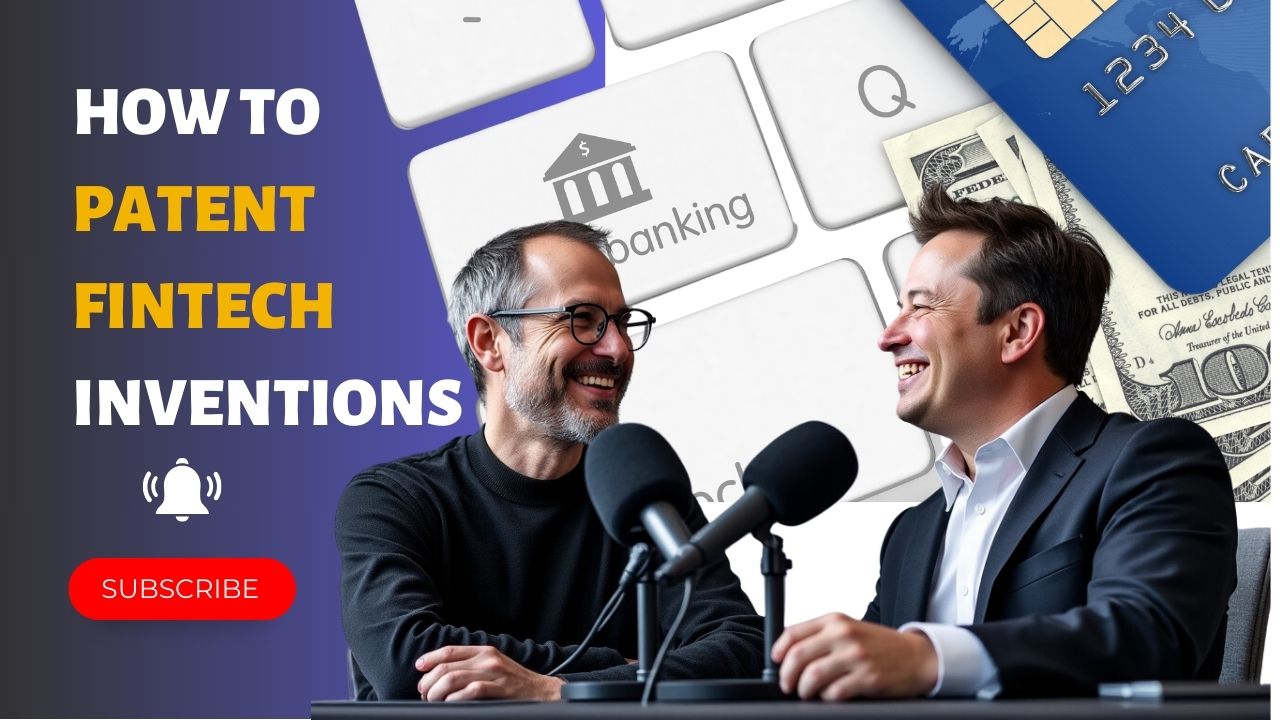 How to patent fintech inventions
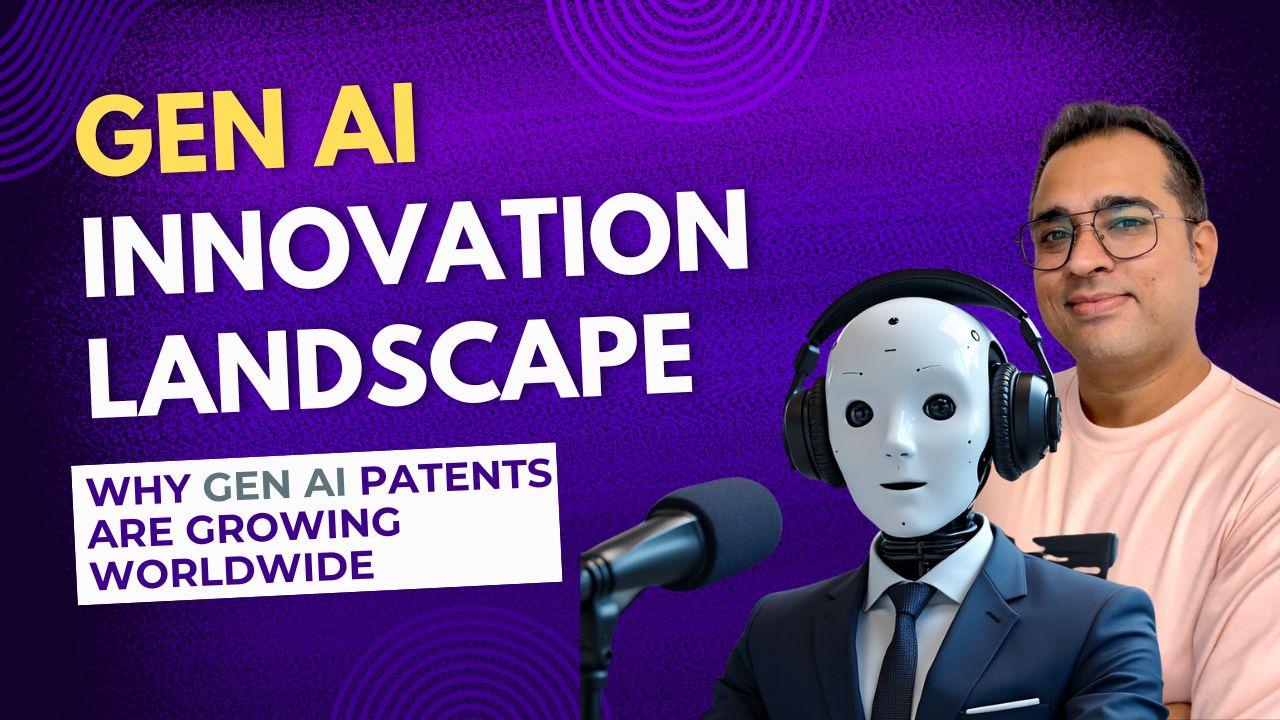 Gen AI Innovations
 What is Extended Reality
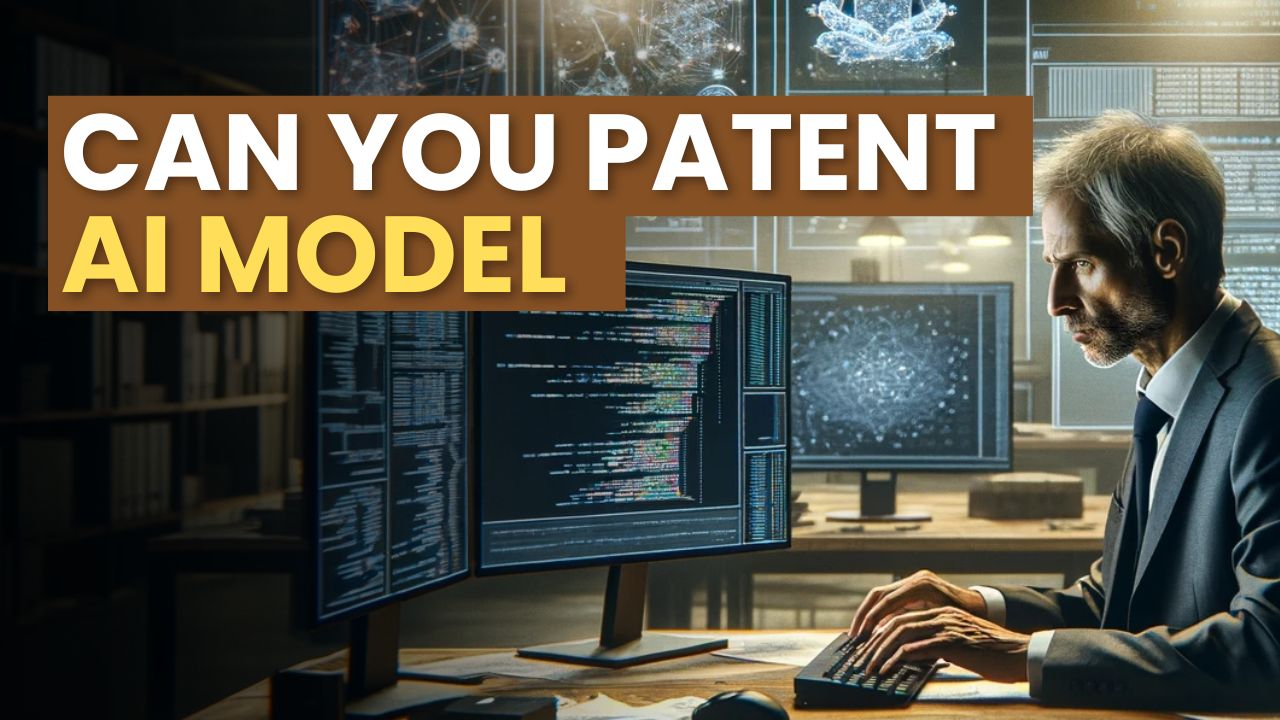 How to patent artificial intelligence based innovations
 Patent claim drafting